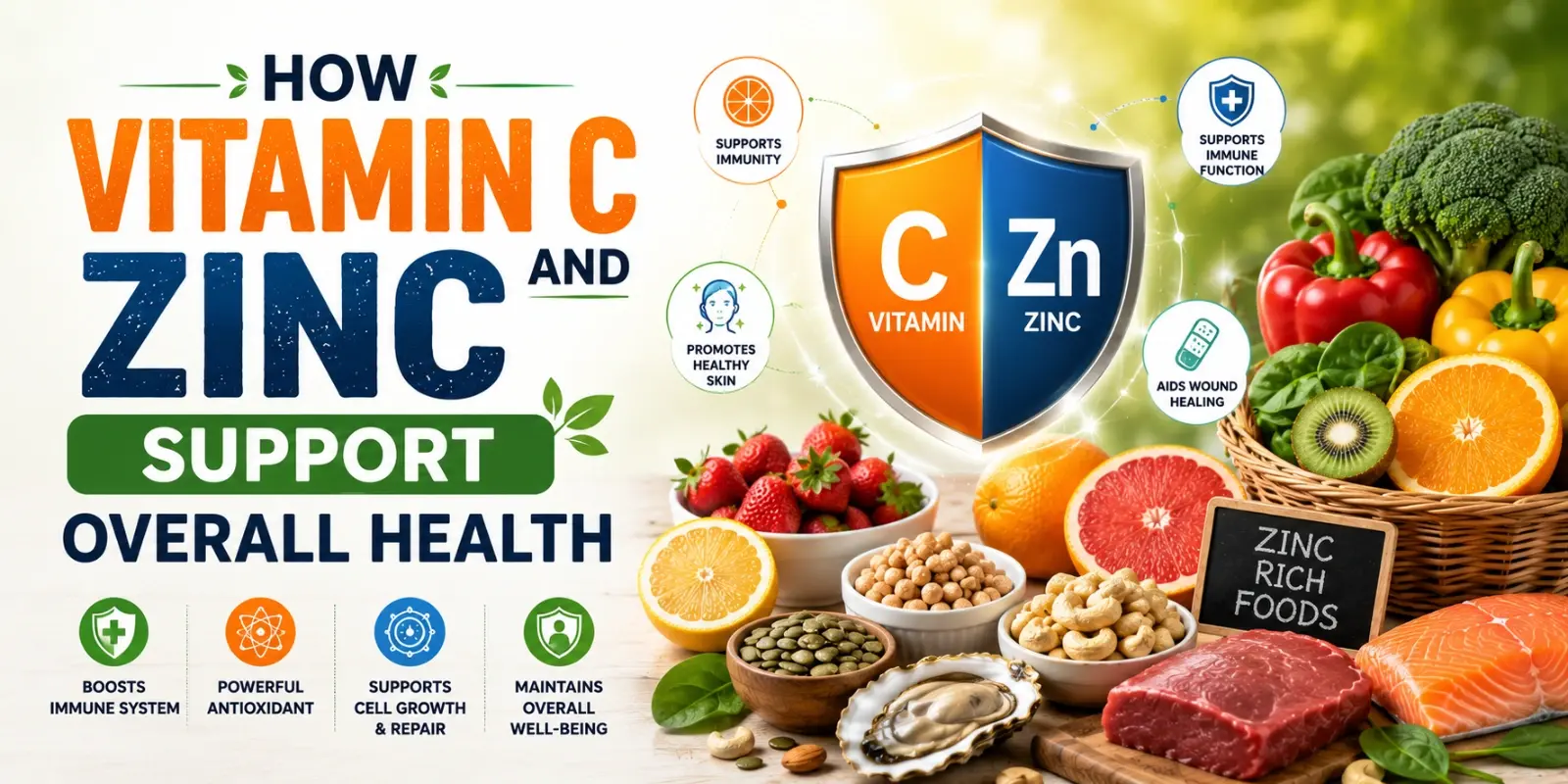
How Vitamin C and Zinc Support Overall Health
Written by: Healthy Care Bangladesh Editorial Team
Reviewed for source accuracy by: Dr. Md. Safayet Asif, MBBS
Introduction – How Vitamin C and Zinc Support Overall Health
Vitamin C and Zinc are two essential nutrients that support everyday wellness, immune system function, skin health, antioxidant protection, wound healing, and normal body maintenance. For people in Bangladesh, these nutrients are especially relevant because daily diet quality, seasonal weather changes, pollution exposure, busy routines, and low fruit or protein intake can affect overall nutrition.
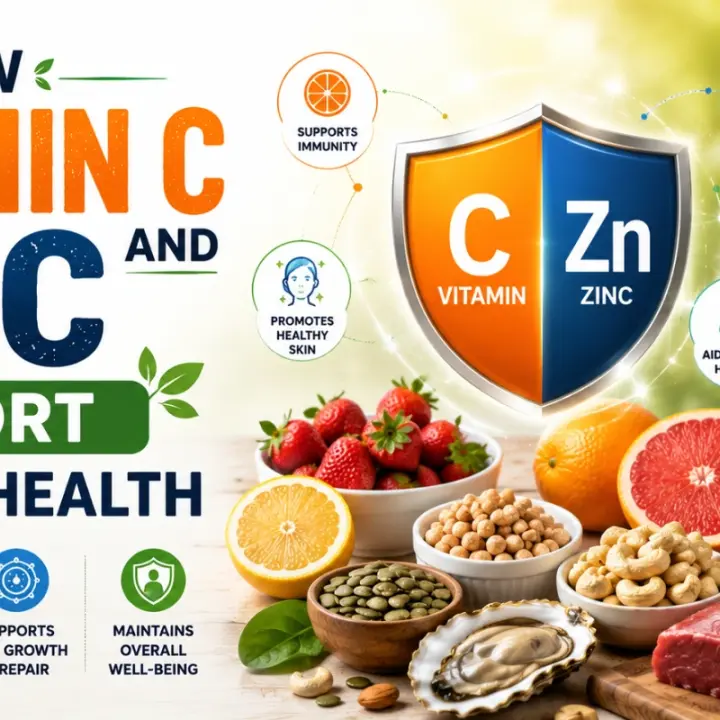
Vitamin C helps the body form collagen, supports immune function, protects cells from oxidative stress, and improves the absorption of non-heme iron from plant-based foods. Zinc supports immune function, cell growth, wound healing, protein synthesis, DNA synthesis, metabolism, normal growth, and taste function. Together, they can be part of a smart daily wellness routine when combined with a balanced diet, enough sleep, hydration, and healthy lifestyle habits.
Quick Answer – What Do Vitamin C and Zinc Do?
- Vitamin C supports immune function, collagen formation, antioxidant protection, wound healing, and iron absorption.
- Zinc supports immune function, wound healing, cell repair, DNA synthesis, protein synthesis, growth, metabolism, and taste sensation.
- Both nutrients support overall health, but they are not medicines and should not be used as a replacement for medical care.
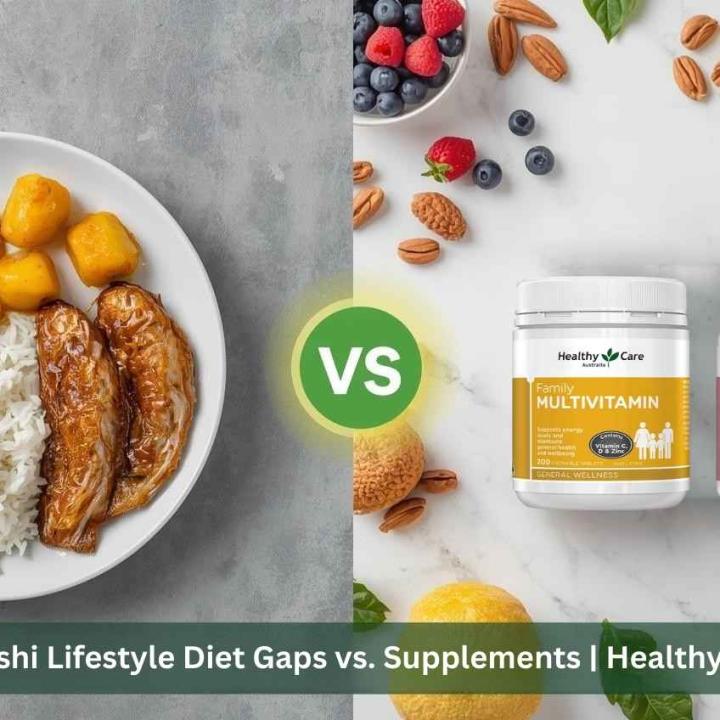
- A balanced diet should come first; supplements may help when daily intake is low or when advised by a healthcare professional.
What Is Vitamin C?
Vitamin C, also known as ascorbic acid, is a water-soluble vitamin. The human body cannot make Vitamin C on its own, so it must come from food or supplements. It is naturally found in fruits and vegetables such as guava, citrus fruits, amla, kiwi, tomato, broccoli, capsicum, and leafy greens.
Vitamin C is especially important for collagen formation, antioxidant protection, immune system support, wound healing, and the absorption of non-heme iron from plant-based foods. This makes it useful for daily wellness, skin support, and normal body maintenance.
What Is Zinc?
Zinc is an essential trace mineral needed in small amounts, but its role in the body is important. It supports hundreds of enzyme functions and helps with immune system activity, wound healing, protein synthesis, DNA synthesis, cell division, normal growth, metabolism, and taste function.
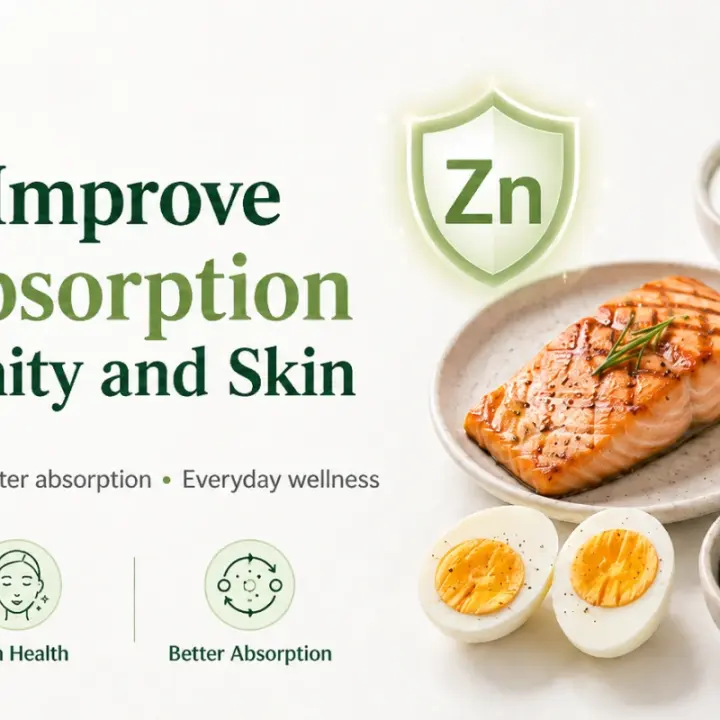
Zinc is found in foods such as fish, meat, eggs, dairy, seafood, lentils, chickpeas, nuts, seeds, and whole grains. In Bangladesh, many people may get Zinc from fish, eggs, chicken, beef, milk, dal, chola, nuts, and seeds, depending on their daily diet quality.
Main Health Benefits of Vitamin C and Zinc
- Immune System Support: Vitamin C and Zinc both help support normal immune system function.
- Skin & Collagen Support: Vitamin C supports collagen formation, while Zinc supports skin health and tissue repair.
- Antioxidant Protection: Vitamin C helps protect cells from oxidative stress caused by free radicals.
- Wound Healing Support: Vitamin C supports collagen formation and Zinc supports normal wound healing processes.
- Iron Absorption Support: Vitamin C improves the absorption of non-heme iron from plant-based foods.
- Cell Growth & Repair: Zinc supports DNA synthesis, protein synthesis, and healthy cell division.
- Daily Wellness: Both nutrients help maintain normal body function when taken through food or suitable supplementation.
Vitamin C, Zinc and Cold Season – What Should You Know?
Many people search for Vitamin C and Zinc during cold and flu season. The correct way to understand them is simple: Vitamin C and Zinc support normal immune function, but they do not cure colds, flu, or infections. They should not be treated as guaranteed protection against illness.
Some research suggests Vitamin C may slightly reduce cold duration or severity in certain people, and Zinc may help shorten common cold symptoms when used appropriately. However, results can vary, and high-dose use is not suitable for everyone. For fever, severe symptoms, breathing difficulty, or symptoms that do not improve, medical advice is necessary.
Best Food Sources of Vitamin C in Bangladesh
- Guava – one of the most common Vitamin C-rich fruits in Bangladesh.
- Lemon and orange – easy everyday sources for many families.
- Amla – naturally rich in Vitamin C and popular in South Asian diets.
- Tomato – simple to add to salad, curry, or daily meals.
- Green chilli and capsicum – useful sources when eaten in normal food amounts.
- Cabbage, broccoli, and leafy vegetables – helpful when cooked gently.
Best Food Sources of Zinc in Bangladesh
- Fish – a common and practical Zinc-supporting food in Bangladesh.
- Eggs – easy to include in breakfast or regular meals.
- Chicken, beef, and seafood – good animal-based Zinc sources.
- Milk and dairy foods – useful for people who can tolerate dairy.
- Lentils, chickpeas, beans, nuts, and seeds – helpful plant-based options.
- Whole grains – can contribute Zinc, though absorption may vary due to phytates.
Can You Take Vitamin C and Zinc Together?
Yes, Vitamin C and Zinc are often used together in immune-support supplements. They work in different ways: Vitamin C supports collagen formation, antioxidant protection, immune function, and iron absorption, while Zinc supports immune function, wound healing, cell repair, metabolism, and normal growth.
Still, taking them together does not mean taking more is better. Dosage matters. Always follow the product label and avoid high-dose use unless advised by a healthcare professional.
Who Should Be Careful Before Taking Supplements?
- Pregnant or breastfeeding women should consult a healthcare professional first.
- Children and teenagers should use supplements only with adult and healthcare guidance.
- People with kidney disease, chronic illness, or long-term health conditions should ask a doctor first.
- People taking antibiotics, diuretics, or regular medication should check suitability and timing.
- Anyone already taking multiple supplements should avoid doubling the same nutrient unknowingly.
Actionable Steps to Improve Vitamin C and Zinc Intake
- Add one Vitamin C-rich food daily, such as guava, lemon, amla, orange, tomato, or capsicum.
- Add one Zinc-supporting food regularly, such as fish, egg, meat, milk, lentils, chickpeas, nuts, or seeds.
- Avoid overcooking Vitamin C-rich vegetables because Vitamin C can reduce with excess heat and boiling.
- Keep your diet balanced with protein, fruits, vegetables, water, and enough sleep.
- Use supplements only when needed, and always follow the recommended dosage on the label.
Expert Insight – Food First, Supplement Smart
Vitamin C and Zinc should be understood as daily support nutrients, not emergency fixes. A balanced diet should always come first. Supplements can be useful when diet quality is low, nutrient intake is limited, or extra support is recommended by a healthcare professional.
For Bangladeshi customers, the main issue is not only choosing a supplement. The bigger issue is choosing an authentic product from a trusted seller, checking expiry date and label information, and avoiding unclear sources where fake or poorly stored products may be a risk.
Top Healthy Care Vitamin C and Zinc Supplements in Bangladesh
Below are selected Healthy Care products available through HealthyCare.com.bd. Choose based on your health goal, preferred format, age group, dosage requirement, and healthcare advice where needed.
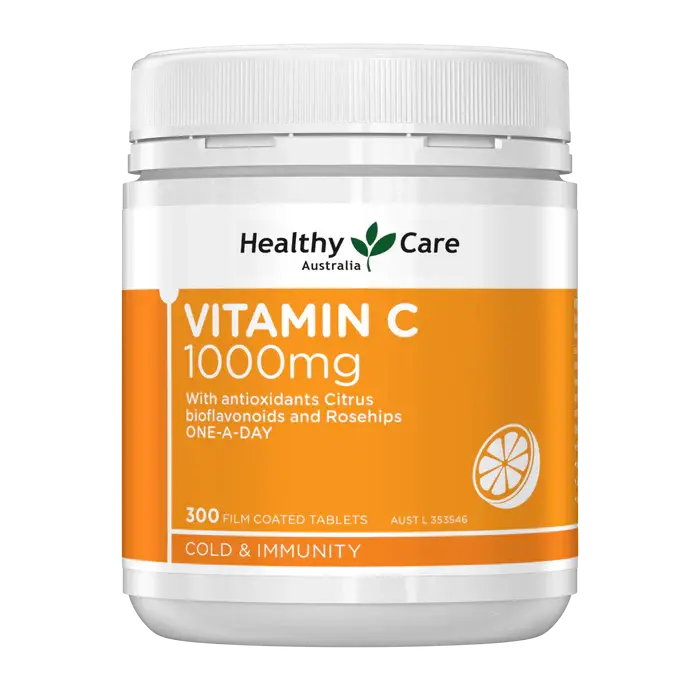
Healthy Care Vitamin C 1000mg – 300 Tablets
- High-strength 1000mg Vitamin C formula for adult daily immune support.
- Supports antioxidant protection and helps reduce free radicals formed in the body.
- Supports collagen formation, skin health, and normal wound healing.
- Once-daily tablet format for adults who want simple daily wellness support.
Healthy Care Immune Forte 1-A-Day – 100 Capsules
- Combines herbal ingredients with Vitamin C and Zinc for immune system support.
- Includes Echinacea, Elderberry, Olive Leaf, Vitamin C, Vitamin D3, and Zinc.
- Supports antioxidant protection to help reduce free radicals formed in the body.
- One-capsule-a-day format for adults who want convenient daily immune support.
Healthy Care Kids Chewable Zinc + Vitamin C – 60 Chewable Tablets
- Provides Zinc and Vitamin C in a chewable format for children aged 2–12 years.
- Supports healthy immune system function, growth, and development.
- Chewable tablet format makes daily use easier for children.
- Use according to label direction and adult supervision.
Where to Buy Authentic Healthy Care Supplements in Bangladesh
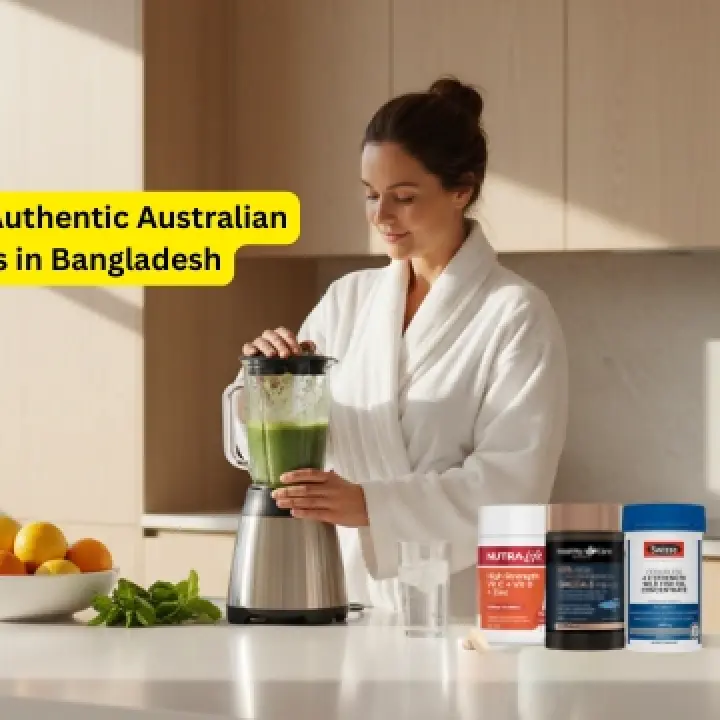
- Healthy Care Bangladesh – The trusted destination for authentic Healthy Care supplements in Bangladesh.
- Choose products with clear label details, expiry date, sealed packaging, and reliable sourcing.
- ⚠️ Avoid unclear online sellers, random Facebook pages, or suspiciously cheap products because fake or poorly stored supplements can be risky.
- For direct order support, contact Healthy Care Bangladesh through the official website.
Tips Before Buying Vitamin C and Zinc Supplements
- Check the active ingredients and dosage before buying.
- Read the label direction carefully and do not exceed the recommended dose.
- Check expiry date, seal condition, and packaging quality.
- Choose the format you can take consistently: tablet, chewable, capsule, or combined formula.
- Ask a healthcare professional first if you are pregnant, breastfeeding, taking medicine, or managing a health condition.
Frequently Asked Questions
1. What are the main benefits of Vitamin C and Zinc?
Vitamin C supports immune function, collagen formation, antioxidant protection, wound healing, and iron absorption. Zinc supports immune function, wound healing, cell repair, metabolism, DNA synthesis, protein synthesis, growth, and taste function.
2. Can Vitamin C and Zinc prevent colds?
No supplement can guarantee cold prevention. Vitamin C and Zinc support normal immune function, and some evidence suggests they may help with cold symptom duration or severity in certain cases. They are not medicines.
3. Can I take Vitamin C and Zinc together?
Yes, many adults take them together, especially in immune-support formulas. However, dosage matters. Follow the label and avoid high-dose use unless advised by a healthcare professional.
4. Which foods are high in Vitamin C in Bangladesh?
Guava, lemon, orange, amla, tomato, capsicum, green chilli, cabbage, broccoli, and leafy vegetables are useful Vitamin C sources.
5. Which foods are high in Zinc in Bangladesh?
Fish, eggs, chicken, beef, seafood, milk, lentils, chickpeas, nuts, seeds, beans, and whole grains can support Zinc intake.
6. Is Vitamin C good for skin?
Yes, Vitamin C supports collagen formation, which is important for skin structure, connective tissue, and wound healing.
7. Is Zinc good for skin and wound healing?
Zinc supports healthy skin and plays a role in normal wound healing and tissue repair.
8. Are Healthy Care Vitamin C and Zinc supplements available in Bangladesh?
Yes, Healthy Care Vitamin C and Zinc-support products are available in Bangladesh through HealthyCare.com.bd. Always check the product label, dosage, age suitability, and expiry date before use.
Conclusion – Support Your Health the Smart Way
Vitamin C and Zinc are not magic pills, but they are important nutrients for overall health. Vitamin C supports immune function, collagen formation, antioxidant protection, wound healing, and iron absorption. Zinc supports immune function, wound healing, cell repair, metabolism, growth, and normal taste function.
The best approach is simple: eat Vitamin C-rich fruits and vegetables, include Zinc-rich protein and plant foods, sleep properly, drink enough water, and use supplements only when needed. For authentic Healthy Care Vitamin C and Zinc supplements in Bangladesh, choose trusted products from HealthyCare.com.bd and always follow the label direction.
Relevant Blogs
⚠️ Disclaimer
This article is for general nutrition education only and should not replace medical advice. Supplements are not medicines and are not intended to diagnose, treat, cure, or prevent any disease. Always read the label, follow the recommended dosage, and consult a healthcare professional if you are pregnant, breastfeeding, taking medication, managing a health condition, or choosing supplements for children or teenagers.