How to Improve Zinc Absorption for Immunity and Skin
Written by: Healthy Care Bangladesh Editorial Team
Fact-checked using: NIH Office of Dietary Supplements, NHS and official Healthy Care product information
Introduction – Why Zinc Absorption Matters
Zinc is an essential mineral that supports normal immune function, skin health, wound healing, cell division, protein synthesis, DNA synthesis, growth, and everyday body maintenance. However, simply eating Zinc-rich foods or taking a Zinc supplement does not guarantee that the body will absorb and use all of it.
Zinc absorption can be affected by the type of food you eat, the amount of phytate in your meals, other mineral supplements, certain medicines, digestive health, and the form and dosage of the supplement. This is especially relevant in Bangladesh, where meals commonly include rice, roti, dal, chickpeas, beans, nuts, and seeds. These are nutritious foods, but some naturally contain phytates that may reduce Zinc availability.
The goal is not to avoid healthy plant foods or take the strongest Zinc supplement available. The smarter approach is to improve dietary variety, prepare certain foods properly, include suitable protein sources, check supplement labels, and avoid combinations that may interfere with absorption.
Quick Answer – How Can You Improve Zinc Absorption?
- ✅ Eat a varied diet containing fish, meat, eggs, dairy, lentils, chickpeas, nuts, seeds, and whole grains.
- ✅ Include suitable protein sources with grain- and pulse-based meals.
- ✅ Soak, sprout, germinate, or ferment suitable grains and pulses when practical.
- ✅ Check the amount of elemental Zinc listed on supplement labels.
- ✅ Avoid taking high-dose Iron and Zinc supplements together unless professionally advised.
- ✅ Review medicines and other supplements to prevent interactions or duplicated Zinc intake.
- ✅ Follow the recommended dosage instead of assuming that a higher dose will work better.
What Does Zinc Do for Immunity and Skin?
Zinc is involved in many processes that help the body function normally. It contributes to immune-cell activity, cell division, protein production, DNA synthesis, tissue maintenance, wound healing, growth, and normal taste and smell.
- Immune Function: Zinc helps maintain normal immune-cell development and activity.
- Skin Maintenance: Zinc supports normal skin structure, cell renewal, and tissue health.
- Wound Healing: Zinc contributes to processes involved in tissue repair and recovery.
- Cell Growth: Zinc is needed for normal cell division, protein synthesis, and DNA synthesis.
- Antioxidant Defence: Zinc contributes to enzymes that help protect normal cells from oxidative stress.
- Growth and Development: Adequate Zinc is particularly important during childhood, adolescence, pregnancy, and other periods of growth.
Zinc supports these normal body functions, but it should not be promoted as a cure for acne, infections, eczema, pigmentation, scars, or other medical conditions. Persistent skin problems, slow-healing wounds, or recurring infections require proper medical assessment.
What Is Zinc Bioavailability?
Zinc bioavailability refers to the amount of Zinc from food or supplements that becomes available for the body to absorb and use. Two meals may contain a similar amount of Zinc but provide different levels of absorbable Zinc because their food composition is different.
Zinc from meat, fish, seafood, eggs, and dairy is generally easier for the body to use than Zinc from many plant-based foods. Plant foods remain nutritious and valuable, but compounds such as phytates may bind with Zinc in the digestive tract and reduce its availability.
Main Factors That Affect Zinc Absorption
- Food Source: Zinc from animal-based foods is generally more bioavailable than Zinc from many plant sources.
- Phytate Content: High-phytate meals may reduce the amount of Zinc available for absorption.
- Protein Intake: Adequate protein and varied protein sources can support overall Zinc nutrition.
- Supplement Form: Different Zinc compounds may vary in absorption and tolerance.
- Elemental Zinc Dose: The important number is the amount of elemental Zinc, not the total weight of the Zinc compound.
- Other Minerals: High-dose Iron taken at the same time may interfere with supplemental Zinc absorption.
- Medicines: Zinc can interact with certain antibiotics, penicillamine, and some other medicines.
- Digestive Health: Conditions that affect digestion or nutrient absorption may also influence Zinc status.
Choose Zinc Sources the Body Can Use Well
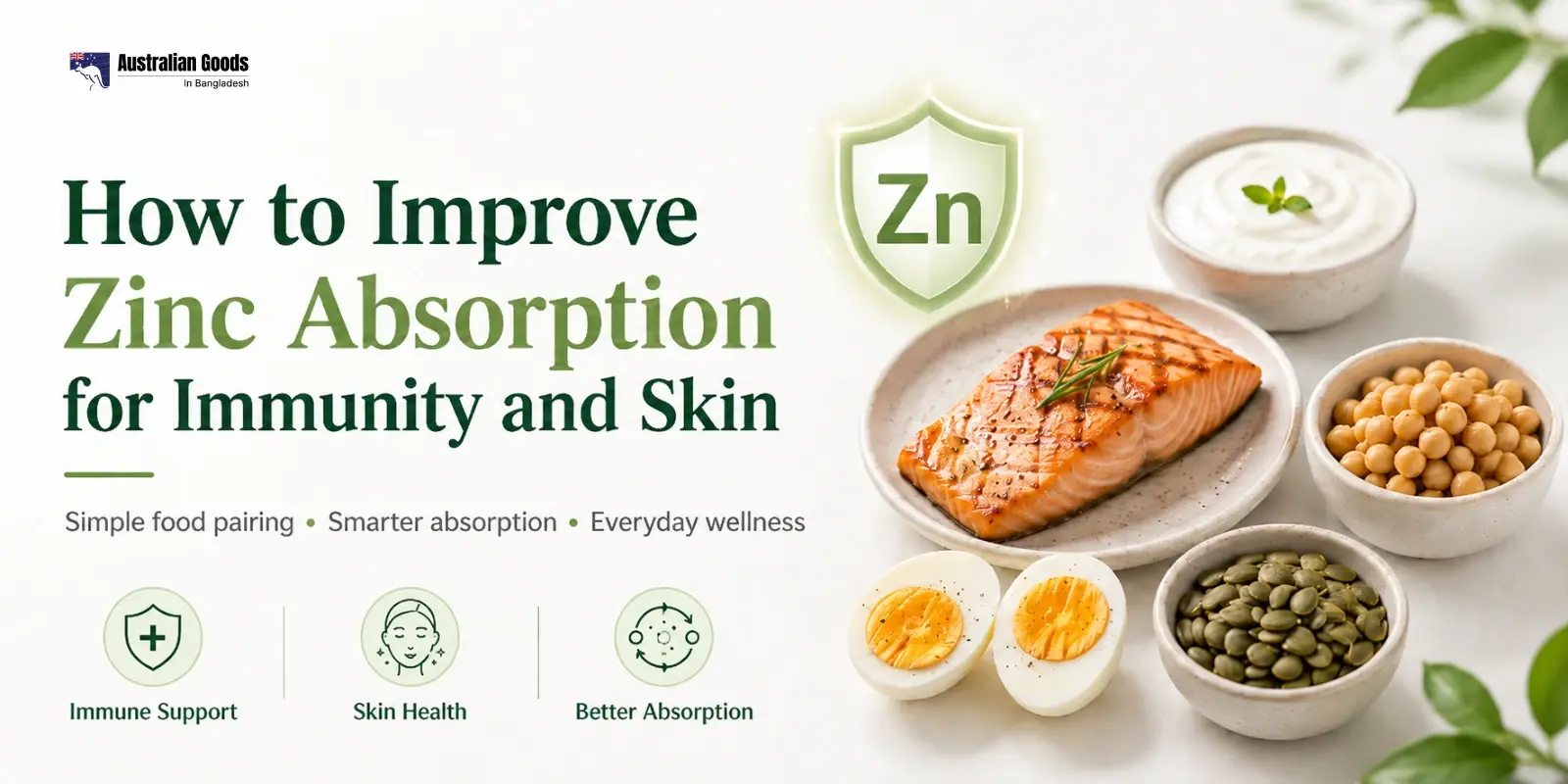
The easiest way to support Zinc intake is to include a range of Zinc-containing foods rather than depending on one food or supplement. Bangladeshi meals can provide useful Zinc when fish, eggs, meat, dairy, pulses, nuts, and seeds are included regularly.
Best Animal-Based Sources of Zinc
- Fish and small fish commonly eaten in Bangladesh.
- Prawns, crab, oysters, and other seafood.
- Beef, mutton, and chicken.
- Eggs.
- Milk, yoghurt, and cheese.
These foods provide Zinc alongside protein and other nutrients. They generally contain less phytate than grain- and pulse-based foods, which may make their Zinc easier to absorb.
Best Plant-Based Sources of Zinc
- Lentils and dal.
- Chickpeas and chola.
- Beans and peas.
- Peanuts, cashews, and other nuts.
- Pumpkin, sesame, and sunflower seeds.
- Oats and whole grains.
- Fortified cereals and foods where available.
Plant foods should not be removed from the diet simply because they contain phytates. They provide fibre, protein, vitamins, minerals, and other beneficial nutrients. The better strategy is to improve food preparation and dietary variety.
What Are Phytates and How Do They Affect Zinc?
Phytates, also called phytic acid, are naturally found in whole grains, lentils, beans, chickpeas, nuts, and seeds. They can bind with minerals such as Zinc in the digestive tract, reducing the amount available for absorption.
This does not make phytate-containing foods unhealthy. Problems are more likely when someone depends heavily on a limited number of grain- and pulse-based foods without enough dietary variety, protein, or other Zinc sources.
Soak Pulses and Beans Before Cooking
Soaking lentils, chickpeas, and beans before cooking may reduce some phytate and make them easier to cook and digest. The effect varies depending on the food, soaking time, temperature, and cooking method.
- Sort and wash the pulses properly.
- Soak suitable beans or chickpeas in clean water.
- Discard the soaking water when appropriate.
- Rinse and cook thoroughly in fresh, safe water.
- Follow proper food-safety practices, particularly in hot and humid weather.
Soaking alone does not guarantee a major improvement in Zinc absorption, but it can be one useful part of better food preparation.
Use Sprouting or Germination When Appropriate
Sprouting or germinating suitable grains, beans, or seeds can activate natural enzymes that break down some phytate. This may improve the availability of Zinc and other minerals.
Sprouts can become contaminated if they are prepared or stored poorly. Use clean water, clean equipment, proper refrigeration where needed, and discard sprouts that smell unusual or show signs of spoilage.
Include Fermented Foods
Fermentation can reduce phytate in certain grain- and pulse-based foods. Naturally fermented batters, doughs, or foods may therefore provide minerals in a form that is easier to use than an unfermented equivalent.
The benefit depends on the food and fermentation process. Fermentation should be used as part of a varied diet rather than treated as a guaranteed method for correcting Zinc deficiency.
Pair Plant-Based Zinc with Protein-Rich Foods
Building a balanced meal is more practical than trying to calculate every milligram of Zinc. Pairing rice, roti, dal, beans, or chickpeas with fish, eggs, chicken, meat, yoghurt, or another suitable protein source can improve overall meal quality.
- Rice, dal, vegetables, and fish.
- Khichuri with egg or chicken.
- Chickpea salad with boiled egg.
- Roti with meat, vegetables, and yoghurt.
- Lentil khichuri with fish or dairy.
- Nuts or seeds with milk or yoghurt.
Vegetarian and vegan diets can still provide Zinc, but people following them may need to pay more attention to food variety, portion size, preparation methods, fortified foods, and professional advice when deficiency is suspected.
Does Vitamin C Improve Zinc Absorption?
Vitamin C is well known for improving the absorption of non-heme Iron from plant foods. However, it should not automatically be described as a proven Zinc absorption enhancer.
Vitamin C and Zinc are commonly combined because both support normal immune function and everyday wellness in different ways. A combined formula may be convenient, but the presence of Vitamin C does not mean that every dose of Zinc will automatically be absorbed better.
What Is the Best Time to Take a Zinc Supplement?
There is no single perfect hour that suits everyone. Consistency, correct dosage, tolerance, and label instructions matter more than whether Zinc is taken in the morning or at night.
Some people experience nausea or stomach discomfort when taking Zinc without food. In that case, taking the supplement with a suitable meal may improve tolerance. Always follow the directions printed on the specific product.
- Follow the product label rather than choosing a random schedule.
- Take it with food if the label allows and an empty-stomach dose causes nausea.
- Do not take more than the recommended amount to make up for a missed dose.
- Check whether a multivitamin or immune formula already contains Zinc.
- Ask a pharmacist about timing if you also take Iron or prescription medicines.
Avoid Taking High-Dose Iron and Zinc Together
Supplemental Iron and Zinc can compete when taken together in substantial doses. Research guidance indicates that supplements containing 25 mg or more of elemental Iron may reduce Zinc absorption when taken at the same time.
This does not mean people should stop prescribed Iron. Iron deficiency can be serious, especially during pregnancy and adolescence. Anyone who needs both Iron and Zinc should ask a doctor or pharmacist how to schedule them safely.
Check Zinc Interactions with Medicines
Zinc can interact with certain medicines by reducing their absorption or being affected by them. Important examples include some quinolone and tetracycline antibiotics, penicillamine, and certain diuretic medicines.
- Tell your doctor or pharmacist about every supplement you use.
- Do not take Zinc at the same time as an antibiotic unless the medicine instructions allow it.
- Follow the spacing instructions provided by a healthcare professional.
- Do not stop or change prescribed medicine to improve supplement absorption.
Understand Elemental Zinc on Supplement Labels
Zinc supplements may contain Zinc gluconate, Zinc citrate, Zinc sulphate, Zinc acetate, Zinc oxide, or a Zinc amino acid chelate. The total weight of the compound is not the same as the amount of Zinc it provides.
For example, a label may list a larger amount of Zinc gluconate but show a smaller amount equivalent to elemental Zinc. The elemental Zinc amount is the number that should be used when comparing products and calculating total daily intake.
Common Forms of Zinc
- Zinc gluconate.
- Zinc citrate.
- Zinc sulphate.
- Zinc acetate.
- Zinc oxide.
- Zinc amino acid chelate.
Some Zinc forms may differ in absorption and digestive tolerance, but there is no single form that is automatically best for every person. Product quality, elemental dose, age suitability, tolerance, other ingredients, and correct use all matter.
How Much Zinc Do Adults Need?
Daily Zinc needs vary by age, sex, pregnancy, breastfeeding status, diet, and health condition. The following figures are general adult reference values commonly used by the NIH.
| Group | Recommended Daily Zinc Intake |
|---|---|
| Adult men | 11 mg per day |
| Adult women | 8 mg per day |
| Pregnancy | 11 mg per day |
| Breastfeeding | 12 mg per day |
These values represent total daily intake from food and supplements. They are not instructions to take that amount as a separate supplement. Many people obtain part or all of their Zinc through food.
Why More Zinc Is Not Always Better
The adult tolerable upper intake level commonly used by the NIH is 40 mg of Zinc per day from food, drinks, supplements, and medicines combined. A healthcare professional may use different amounts for a diagnosed deficiency or specific medical reason, but that should not be copied as a routine self-care dose.
- Excess Zinc may cause nausea, vomiting, or stomach discomfort.
- It may cause headache, reduced appetite, or digestive upset.
- Long-term excessive intake may interfere with Copper absorption.
- Copper deficiency may affect blood cells, nerves, and general health.
- Very high or prolonged intake may negatively affect normal immune function.
- Multiple immune, skin, hair, and multivitamin products may accidentally duplicate Zinc.
How Zinc Supports Normal Immunity
Zinc contributes to the normal development and activity of immune cells. Inadequate Zinc intake can affect immune function, particularly in people with poor diets, digestive disorders, or increased nutritional needs.
Correcting inadequate intake is different from taking excessive Zinc to “supercharge” immunity. Zinc cannot make someone immune to colds, flu, or other infections. Balanced nutrition, sufficient sleep, physical activity, hygiene, appropriate vaccination, and medical care remain important.
How Zinc Supports Skin Health
Skin constantly renews itself, which requires normal cell division and protein synthesis. Zinc supports these processes and contributes to normal tissue maintenance and wound healing.
Adequate Zinc may support healthy skin when dietary intake has been low. However, Zinc is not an instant-glow, fairness, scar-removal, or acne-cure supplement. Skin concerns can result from hormones, genetics, allergies, infection, skincare products, stress, nutrition, or underlying health conditions.
- Zinc supports normal skin-cell renewal.
- Zinc contributes to tissue repair and wound healing.
- Zinc supports normal immune defence within the skin.
- Zinc contributes to protein synthesis and cell division.
- Persistent acne, rashes, infections, or slow-healing wounds require professional assessment.
Possible Signs of Inadequate Zinc Intake
Zinc deficiency cannot be diagnosed from symptoms alone. The following signs may occur with inadequate Zinc, but they can also have many other causes.
- Slow wound healing.
- Reduced appetite.
- Changes in taste or smell.
- Skin changes.
- Hair changes.
- Frequent infections.
- Poor growth or delayed development in children.
Do not start a high-dose supplement based only on these symptoms. Speak with a qualified healthcare professional, especially if the symptoms are persistent or accompanied by digestive problems, unexplained weight loss, delayed growth, or recurrent illness.
Common Mistakes That May Reduce Results
- ❌ Taking a very high dose because the strongest number looks more effective.
- ❌ Taking high-dose Iron and Zinc supplements together without guidance.
- ❌ Depending almost entirely on high-phytate staple foods without dietary variety.
- ❌ Ignoring fish, eggs, dairy, meat, or suitable plant protein sources.
- ❌ Taking several immune, skin, hair, and multivitamin products that all contain Zinc.
- ❌ Confusing the total Zinc compound weight with the elemental Zinc amount.
- ❌ Continuing an empty-stomach dose despite repeated nausea.
- ❌ Expecting Zinc to cure acne, infections, or chronic skin conditions.
- ❌ Buying unverified products with unclear expiry, storage, or sourcing details.
A Simple 5-Step Zinc Absorption Plan
- Step 1 – Review Your Diet: Check how often you eat fish, eggs, meat, dairy, lentils, chickpeas, nuts, seeds, or fortified foods.
- Step 2 – Improve Meal Variety: Add suitable protein to rice-, roti-, dal-, bean-, or chickpea-based meals.
- Step 3 – Prepare Plant Foods Properly: Use soaking, sprouting, fermentation, and thorough cooking where suitable.
- Step 4 – Review Supplement Timing: Check whether Zinc is being taken with high-dose Iron or medicines that may interact.
- Step 5 – Check Total Daily Intake: Count Zinc from multivitamins, immune formulas, skin products, and standalone supplements.
Expert Insight – Improve the Routine, Not Just the Dose
Better Zinc nutrition is not achieved by chasing the highest-dose supplement. The most useful approach is to improve the full routine: eat varied Zinc-rich foods, include adequate protein, prepare high-phytate foods sensibly, check elemental Zinc, avoid unnecessary duplication, and seek advice about medicine interactions.
For Bangladeshi consumers, product authenticity and storage also matter. Supplements exposed to excessive heat, moisture, broken seals, or unclear storage conditions may not maintain their expected quality. Always buy from a trusted source and check the label, batch, seal, and expiry date.
Healthy Care Zinc Support Products in Bangladesh
The following Healthy Care products contain Zinc as part of their formulas. They are designed for different age groups and wellness needs, so compare the ingredients and label directions carefully rather than choosing only by product name.
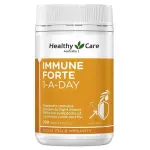
Healthy Care Immune Forte 1-A-Day – 100 Capsules
- Provides 5 mg of Zinc per capsule as a Zinc amino acid chelate.
- Also contains Vitamin C, Vitamin D3, Echinacea, Elderberry, Olive Leaf, Andrographis, and Reishi.
- Designed to support healthy immune system function and antioxidant protection.
- Adult once-daily format; follow the label and check other supplements for ingredient overlap.
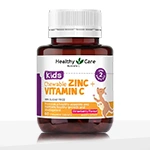
Healthy Care Kids Chewable Zinc + Vitamin C – 60 Chewable Tablets
- Provides 3 mg of elemental Zinc per chewable tablet.
- Provides 250 mg of total Vitamin C from multiple Vitamin C forms.
- Supports healthy immune function, growth, development, and antioxidant protection.
- Designed for children aged 2–12 years according to the product label.
- Contains gluten, soya bean products, sulphites, and sucralose; check suitability before use.
How to Choose a Zinc Supplement in Bangladesh
- Check the amount of elemental Zinc rather than only the Zinc compound name.
- Compare the recommended age group and daily dosage.
- Review other active ingredients to prevent duplication.
- Check allergen advice, especially for children and people with food allergies.
- Confirm the expiry date, seal, batch information, and storage instructions.
- Avoid suspiciously cheap products from unverified online shops or social media sellers.
- 🛒 Buy authentic Healthy Care products from Healthy Care Bangladesh
- For direct assistance, contact Healthy Care Bangladesh at +8801404458888.
Who Should Ask a Healthcare Professional First?
- Children and teenagers.
- Pregnant or breastfeeding women.
- People with kidney, liver, or digestive conditions.
- People with persistent skin problems or slow-healing wounds.
- People taking antibiotics, penicillamine, diuretics, or regular medication.
- People taking Iron, Copper, or several mineral supplements.
- Anyone who suspects a nutrient deficiency.
Frequently Asked Questions
1. How can I improve Zinc absorption naturally?
Eat a varied diet containing suitable animal- and plant-based Zinc sources, include enough protein, and prepare high-phytate grains and pulses through appropriate soaking, sprouting, fermentation, and thorough cooking.
2. Which foods provide the most absorbable Zinc?
Meat, fish, seafood, eggs, and dairy generally provide more bioavailable Zinc than many plant sources because they contain less phytate.
3. Does soaking lentils improve Zinc absorption?
Soaking may reduce some phytate in certain pulses, potentially improving mineral availability. The effect varies by food, soaking method, and cooking process.
4. Should Zinc be taken on an empty stomach?
Follow the product label. Some people tolerate Zinc without food, while others experience nausea and may need to take it with a suitable meal if the label allows.
5. Does Vitamin C increase Zinc absorption?
Vitamin C and Zinc both support normal immune function, but Vitamin C should not automatically be described as a proven enhancer of Zinc absorption.
6. Can I take Zinc and Iron together?
High-dose Iron supplements may reduce Zinc absorption when taken at the same time. Ask a healthcare professional about appropriate timing if you need both.
7. Is Zinc good for acne?
Zinc supports normal skin and immune function, but it is not a guaranteed acne treatment. Persistent or severe acne should be assessed by a qualified healthcare professional.
8. Can I take Zinc every day?
Daily use may be suitable when the dosage matches nutritional needs and label directions. Avoid unnecessary high-dose or prolonged use without professional guidance.
9. Which form of Zinc is best absorbed?
Several forms can provide absorbable Zinc. Elemental dose, product quality, tolerance, age suitability, and correct use are more important than relying on marketing claims about one “best” form.
10. How long does Zinc take to work?
There is no universal timeline. It depends on whether the person had inadequate intake, the dosage, diet, health condition, absorption, and the result being measured.
11. Can too much Zinc affect Copper?
Yes. Long-term excessive Zinc intake can reduce Copper absorption and may contribute to Copper deficiency.
12. Where can I buy authentic Healthy Care Zinc supplements in Bangladesh?
Healthy Care products containing Zinc are available through HealthyCare.com.bd with clear product information, label guidance, and nationwide ordering support.
Conclusion – Improve Absorption, Not Just Dosage
Getting better results from Zinc is not about taking the largest dose. Zinc absorption and utilisation depend on food source, phytate content, protein intake, food preparation, elemental Zinc dosage, other supplements, medicines, and individual health.
Include fish, eggs, meat, dairy, lentils, chickpeas, nuts, and seeds according to your dietary needs. Prepare suitable grains and pulses properly, avoid unnecessary supplement overlap, and check the elemental Zinc amount before buying.
Looking for authentic Healthy Care Zinc and immune-support products in Bangladesh? Visit Healthy Care Bangladesh, compare the ingredients and label directions, and choose a formula suitable for your age and nutritional needs.
Relevant Blogs
⚠️ Disclaimer
This article is for general nutrition education only and should not replace medical advice, diagnosis, or treatment. Supplements are not intended to diagnose, treat, cure, or prevent disease. Always read the label and follow the directions for use. Consult a qualified healthcare professional before using Zinc if you are pregnant, breastfeeding, taking medication, managing a health condition, or selecting supplements for children or teenagers.